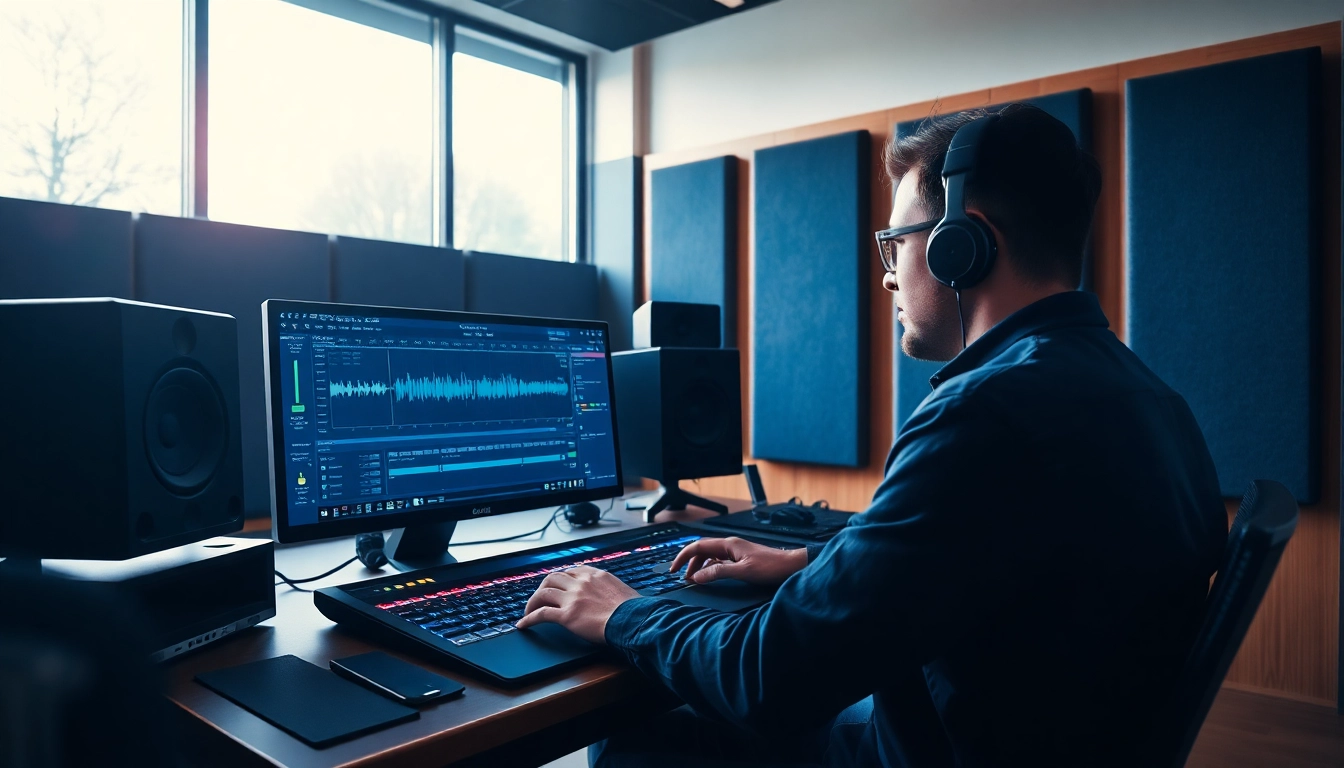
Understanding Online Audio Mastering
What is Online Audio Mastering?
Online audio mastering refers to the final stage of audio production that involves enhancing and preparing a mix for distribution. This process ensures that the recorded audio sounds polished and consistent across all listening platforms. By using specialized software and techniques, mastering engineers can make adjustments to dynamics, tone, and clarity while maintaining the integrity of the original music. With advances in technology, many artists now select online audio mastering services to simplify their music production workflow.
Benefits of Online Audio Mastering
Online audio mastering offers several advantages that appeal to both amateur and professional musicians alike. Among these benefits are:
- Cost-Effective: Compared to traditional mastering studios, online services typically have lower fees, making them accessible for musicians on a budget.
- Convenience: Musicians can upload tracks from anywhere and receive mastered audio files quickly without the need for in-person appointments.
- Speed: Many online platforms deliver rapid turnaround times, allowing artists to release music faster.
- Diverse Options: A variety of services exist, catering to different genres, preferences, and requirements.
- Accessibility: Artists from around the world can connect with talented mastering engineers without geographic constraints.
How Online Audio Mastering Works
The process of online audio mastering generally involves the following stages:
- File Submission: Artists upload their final mixes to the mastering platform, typically in high-quality WAV or AIFF formats.
- Engineer Selection: Depending on the service, artists may choose specific mastering engineers whose styles align with their music.
- Mastering Process: The engineer applies various techniques and tools such as equalization, compression, and limiting to enhance the mix.
- Review and Revision: The artist reviews the mastered track; some services allow for revisions to ensure satisfaction.
- Final Delivery: Once approved, the mastered audio is delivered in the desired file formats for distribution.
Choosing the Right Online Audio Mastering Service
Factors to Consider When Selecting Services
When searching for the right online audio mastering service, consider the following factors:
- Quality of Work: Review samples of previous work from the service to assess their mastering quality.
- Turnaround Time: Evaluate how quickly you need the work completed and find a service that meets your timeline.
- Customer Support: Ensure that the service provides clear communication channels and support throughout the process.
- Pricing Structure: Compare different pricing models to find one that fits your budget while still delivering quality results.
- Reviews and Recommendations: Look for feedback from other musicians who have used the service for insights into their experiences.
Top Features to Look For
In addition to the factors above, the following features can enhance your experience with online audio mastering services:
- Multiple Format Options: The ability to receive mastered files in formats suitable for various platforms (e.g., streaming services, CDs).
- Customization: Look for services that offer tailored mastering options to suit specific musical genres.
- Professional Feedback: Access to constructive criticism and advice from mastering engineers can enhance your understanding of sound quality.
- User-Friendly Interface: A simple, intuitive platform makes uploading and managing files easier.
- Revision Policy: A fair revision policy allows you to ask for adjustments if the first version doesn’t meet your expectations.
Red Flags to Avoid
When selecting an online audio mastering service, beware of these potential pitfalls:
- Lack of Transparency: If a service does not provide clear information about its mastering process, it may be a warning sign.
- Inconsistent Quality: Avoid services with mixed reviews regarding audio quality; consistency is key.
- Unrealistic Pricing: Be cautious of extremely low prices that might indicate subpar quality;
- Limited Communication: Poor customer service or lack of availability for inquiries can lead to frustration during the mastering process.
- Hidden Fees: Always check for additional costs that may not be apparent at the outset.
Common Challenges in Online Audio Mastering
Pitfalls in Sound Quality
One of the most significant concerns in online audio mastering is maintaining sound quality. Factors such as the initial mix quality and file compression during upload can compromise the final product. Additionally, if the mastering engineer lacks experience or uses subpar equipment, the result may not meet expectations. To mitigate these risks, ensure that your mix is polished before submission and choose a reputable mastering service known for high-quality results.
Communication Issues with Engineers
Effective communication is vital in the mastering process. Misunderstandings regarding the artist's vision or preferences can lead to unsatisfactory results. Artists should provide clear instructions and feedback, while engineers need to be receptive and responsive. Establishing a detailed brief before the mastering process begins can help ensure that both parties are aligned on expectations.
File Format and Compatibility Problems
File format issues can frequently arise during the online mastering process. Ensuring compatibility between the artist's original mix and the service's requirements is crucial. Common file formats include WAV and AIFF, but artists should verify that their chosen service accepts these formats. Additionally, bitrate and sample rate settings should align with the specifications outlined by the mastering service to avoid playback problems.
Best Practices for Effective Audio Mastering
Preparing Your Mix for Mastering
Before sending a track for mastering, it’s essential to ensure it is appropriately prepared:
- Headroom: Keep at least -3 dB of headroom on the final mix to prevent clipping during the mastering process.
- Use a Consistent Monitoring Environment: Ensure you’ve mixed in an environment that offers a reliable sound reference.
- Avoid Over-Processing: Limit the use of dynamics and EQ during mixing; the mastering process should finalize these adjustments.
- Reference Tracks: Include references for the sound you're aiming to achieve, guiding the mastering engineer.
Mastering Techniques to Enhance Your Sound
Mastering involves critical techniques that enhance audio tracks:
- Equalization: Adjusting frequencies to achieve a balanced sound enhances clarity and presence.
- Compression: Applying compression smooths out dynamics and helps the track translate across various playback systems.
- Limiting: A final limiter is essential for raising the overall loudness level of the track without introducing distortion.
- Stereo Imaging: Manipulating stereo width helps create a broader and more immersive listening experience.
Utilizing Feedback Effectively
After receiving a mastered track, gather feedback to refine your sound. Whether through listener feedback or collaboration with other musicians and producers, constructive criticism is invaluable. Use specific criteria (e.g., clarity, volume, emotional response) to assess the track’s effectiveness. Engaging your audience through surveys or feedback sessions can provide insights that guide future work.
Measuring Success in Online Audio Mastering
Key Performance Metrics to Monitor
To evaluate the effectiveness of your online audio mastering, consider these key metrics:
- Loudness Levels: Checking integrated loudness levels helps ensure your track is competitive in overall loudness.
- Dynamic Range: A good balance of dynamic range preserves the emotional intention of the song without excessive compression.
- Frequency Response Analysis: Measuring the frequency response helps identify any imbalance that might need correction.
- Listener Retention: Monitoring how long listeners engage with your track across platforms provides insights into its overall success.
Improving Mastered Tracks Based on Metrics
Using the metrics collected, refine your future mastering sessions. If you discover your songs are too compressed, consider adjusting the mastering process accordingly. Regularly reviewing mastered tracks alongside your performance metrics can help you zero in on what resonated with your audience, guiding better decisions in the mastering process.
Gathering Listener Feedback
Listener feedback is an excellent tool for understanding how your mastered tracks perform in the real world. Gathering qualitative feedback through targeted surveys, focus groups, or social media can offer specific insights that charts and analytics may not reveal. Aim for feedback that assesses emotional connection, production quality, and overall satisfaction to hone your sound and effectively shape your music releases.
Frequently Asked Questions
What is the difference between mixing and mastering?
Mixing involves balancing individual tracks for clarity, while mastering is the final polish that prepares the mix for distribution. Mastering ensures consistency and optimal sound across all playback systems.
How long does online audio mastering typically take?
The turnaround time for online audio mastering varies but often ranges from a few hours to a couple of days, depending on the service chosen and complexity of the project.
Can I make changes to my track after mastering?
Most online mastering services allow for a revision process where clients can request specific changes before final delivery. It's crucial to communicate clearly during this phase.
What file formats should I use for mastering?
Using high-quality WAV or AIFF files is recommended for the mastering process due to their lossless nature, preserving the integrity of your music during mastering.
Is online audio mastering suitable for all music genres?
Yes, many online mastering services cater to various musical genres, adapting techniques and methods to suit the specific requirements of each style, from pop to classical to heavy metal.