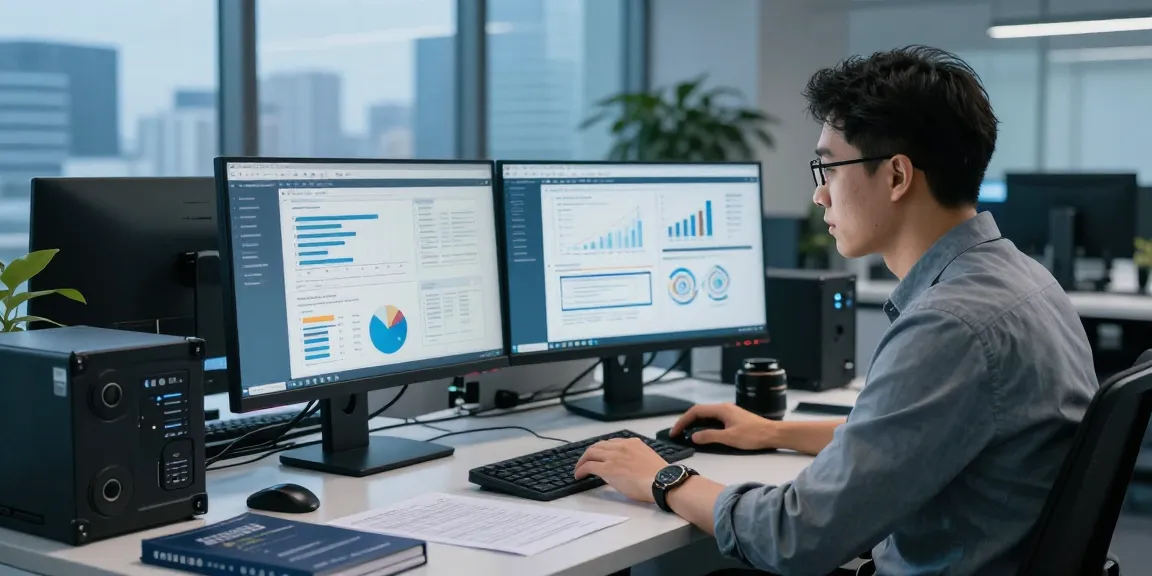
Understanding IT Support Business Models
In today's digital age, businesses heavily rely on technology for operational efficiency and competitive advantage. As companies grow and evolve, so does the complexity of their IT needs. This is where an it support business becomes essential. An IT support business serves to provide various services that ensure the technological infrastructure of a company runs smoothly and effectively. From managing hardware and software to ensuring cybersecurity, IT support is pivotal for maintaining productivity and enabling growth.
What is an IT Support Business?
An IT support business provides technical assistance and services to organizations, helping them manage their technology operations. This includes everything from troubleshooting hardware and software issues to implementing comprehensive IT strategies tailored to specific business needs. Most IT support businesses operate on a service model that offers different tiers of support based on the client's requirements. Services can range from basic help desk support to full-scale IT management.
Types of IT Support Services Offered
- Helpdesk Support: Provides remote assistance to resolve technical issues as they arise.
- Managed Services: Involves taking a proactive approach to IT management, including monitoring and maintenance of systems.
- Consulting: Offers expert advice on IT strategies, technology investments, and achieving compliance with industry standards.
- Cybersecurity Services: Focuses on protecting organizational data through risk assessments, vulnerability testing, and threat monitoring.
- Cloud Services: Offers cloud migration, storage solutions, and management of cloud-based applications.
Choosing the Right IT Support Model for Your Company
Selecting the right IT support model is crucial for any business. Factors to consider include the size of the organization, the complexity of IT operations, and specific requirements like compliance and security. A small business may benefit from basic helpdesk support, while larger enterprises might require dedicated managed services that include strategic planning and proactive maintenance.
Benefits of Investing in IT Support for Businesses
Investing in IT support offers numerous benefits that can significantly enhance a company's operations. By aligning technology with business goals, organizations can not only avert crises but also streamline their processes.
Cost-Effectiveness and Budgeting in IT Support Business
Effective IT support can lead to substantial cost savings. By preventing potential issues before they arise, businesses can avoid the high costs associated with downtime and data loss. Moreover, having a fixed monthly IT support fee simplifies budgeting, allowing businesses to allocate resources more effectively. When assessing potential IT partners, looking for transparent pricing structures can further enhance cost-effectiveness.
Enhancing Productivity and Reducing Downtime
One of the primary goals of any IT support business is to minimize downtime. Efficient IT support ensures that systems are operational, updates are managed seamlessly, and issues are addressed proactively. By leveraging tools like remote monitoring and management (RMM), IT support teams can identify and resolve problems before they impact employee productivity.
Improving Security and Compliance with IT Support
With the increasing threat of cyberattacks, robust IT support services are essential for safeguarding sensitive data. IT support businesses implement security measures such as firewalls, malware detection, and encrypted communications to protect organizational assets. Furthermore, many IT support services offer compliance assistance to help companies adhere to regulations such as GDPR, HIPAA, and PCI-DSS, significantly reducing the risk of fines and data breaches.
How to Select an IT Support Provider
Choosing the right IT support provider is critical for achieving desired outcomes. A thorough assessment will ensure that the chosen partner aligns with the business’s objectives and can deliver the necessary services efficiently.
Evaluating Experience and Expertise in IT Support
When selecting an IT support business, it is essential to evaluate their experience in the industry. Look for providers with a proven track record of successfully supporting businesses similar to yours. Additionally, ensure that the technical staff possess relevant certifications and expertise in the technologies that are integral to your operations.
Assessing Service Level Agreements (SLAs)
Service Level Agreements (SLAs) define the level of service expected from IT support providers. These agreements should outline response times, resolution times, and the scope of services provided. A strong SLA is vital as it sets clear expectations and accountability standards between the business and the IT support provider.
Understanding the Importance of Local Support
Local IT support can offer advantages, especially for businesses that require on-site assistance. Proximity can lead to faster response times and personalized service, which can be particularly valuable during critical issues or system failures.
Best Practices for Managing Your IT Support Business
Once an IT support business is established, implementing best practices is essential for ensuring ongoing success and client satisfaction.
Establishing Effective Communication Channels
Communication is key in any IT support relationship. Establishing clear communication channels between the IT support team and the client helps ensure that issues are reported promptly and managed effectively. Regular check-ins can also facilitate proactive IT management and foster a collaborative partnership.
Utilizing Technology for Proactive Support
Employing modern technologies such as remote monitoring tools can vastly improve the quality of IT support. These tools enable IT support teams to manage systems proactively, identifying and resolving potential issues before they escalate into significant problems.
Continuous Improvement and Customer Feedback
To maintain high standards of service, IT support businesses should continuously seek feedback from clients. Regular surveys and performance reviews can highlight areas for improvement and help in refining processes to better serve client needs.
Future Trends in IT Support Business
As technology evolves, so do the models and practices in IT support. Keeping an eye on emerging trends can better position businesses to adapt and innovate.
Artificial Intelligence and Automation in IT Support
AI and automation are becoming increasingly integrated into IT support practices. These technologies can facilitate faster issue resolution, automate routine tasks, and provide analytics on IT performance. As AI continues to develop, IT support businesses that harness its potential will likely gain a competitive edge.
The Rise of Remote IT Support Services
The shift towards remote work has underlined the importance of remote IT support services. Many businesses now require IT support that can be delivered off-site, ensuring that help is always at hand without the need for physical presence. This trend is likely to continue as more companies adopt hybrid working models.
Adapting to Changing Technology Landscapes
IT support businesses must be agile, continually adapting to new technologies, software updates, and the latest cybersecurity threats. Ongoing training and development are essential for the support staff to ensure they remain knowledgeable about emerging trends and tools.
What is Cyber Essentials and Why It Matters?
Cyber Essentials is a UK government-backed scheme designed to help organizations protect themselves against common cyber threats. For IT support businesses, achieving Cyber Essentials certification can enhance credibility and demonstrate a commitment to cybersecurity best practices. It serves as a clear signal to clients that their data will be handled securely.
Why Choose Proactive IT Monitoring?
Proactive IT monitoring anticipates issues rather than reacting to them, which can drastically reduce incident response times and downtime. By employing continuous monitoring solutions, businesses can significantly enhance their IT resilience and ensure that their operations run smoothly.