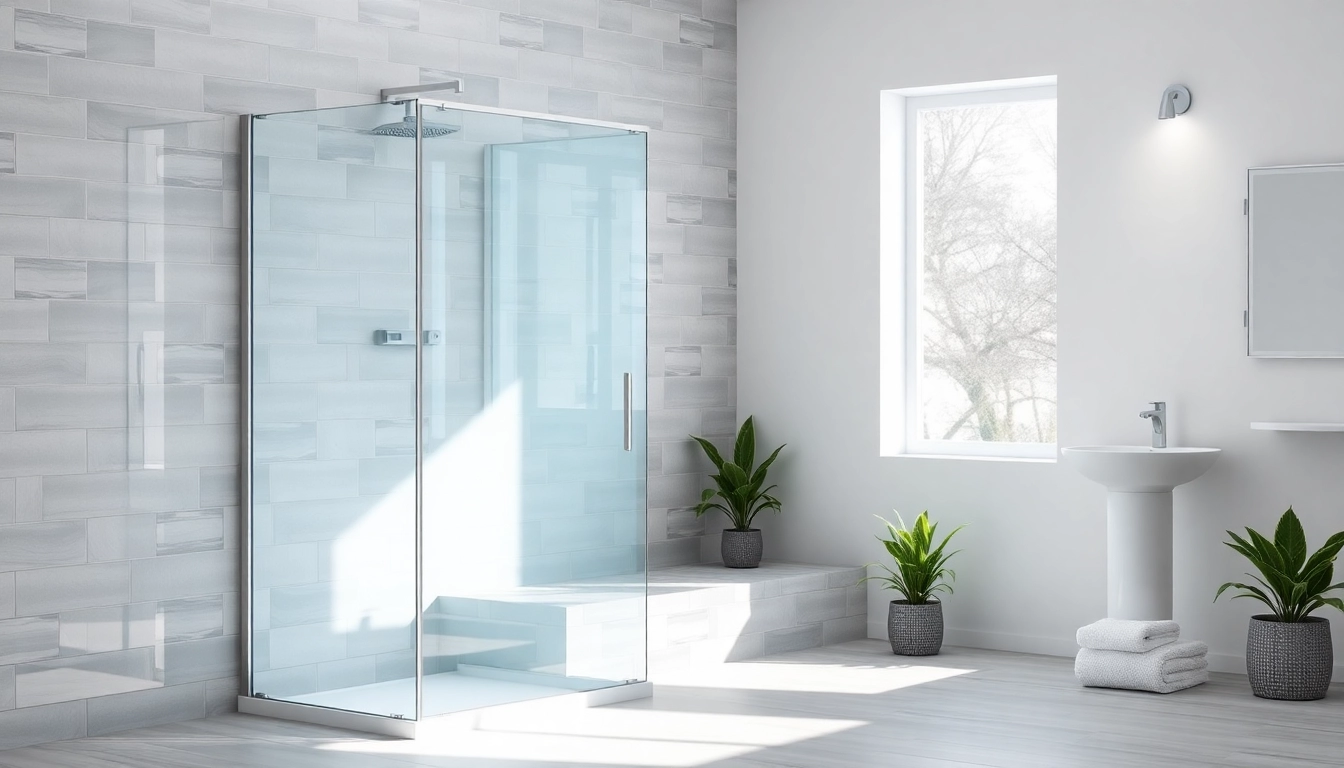
Understanding the Benefits of Shower Screen Sliding Door
Space Efficiency and Design Versatility
One of the most compelling reasons homeowners opt for a shower screen sliding door is their exceptional space efficiency. Unlike traditional swinging doors that require ample room to open and close, sliding doors glide along a track, making them ideal for compact or oddly-shaped bathrooms. This clever design choice means you can save square footage while still enjoying a spacious feel in your shower area. Moreover, the minimalistic aesthetic of sliding doors seamlessly integrates with various interior styles, from modern to traditional, ensuring that they not only function well but also enhance the overall design of your bathroom.
Easy Accessibility and Use
The usability of shower screen sliding doors enhances the overall showering experience. With no barriers to push against and the ease of sliding doors, accessing the shower becomes a simple task, especially for children or elderly individuals who may struggle with heavier, conventional doors. Furthermore, the smooth-gliding mechanism of well-constructed sliding doors provides assurance that the door will operate fluidly, making them a convenient choice for daily use. Whether you’re hurrying in for a quick shower or taking your time to unwind, a sliding door facilitates speedy entry and exit while ensuring your comfort.
Enhanced Aesthetics for Your Bathroom
Beyond their practical benefits, shower screen sliding doors significantly enhance the aesthetics of your bathroom. Available in a range of glass types, including clear, frosted, and tinted options, these doors can create a striking focal point in your bathroom design. They also promote the concept of an open, airy bathroom by allowing more light to penetrate the space, thus making it feel larger and more inviting. With numerous frameless and framed designs available, a shower screen sliding door can reflect your personal taste while contributing to a visually appealing sanctuary.
Key Features of a Shower Screen Sliding Door
Materials Used in Construction
The materials used in the construction of shower screen sliding doors significantly impact their durability and usability. High-quality tempered safety glass is the industry standard, known for its strength and resistance to shattering. This glass is often treated with coatings that resist hard water stains and soap scum, making maintenance easier. Frames, when present, are typically made from anodized aluminum or stainless steel, providing robustness as well as a sleek appearance. Choosing the right materials ensures that the doors not only last longer but also remain visually attractive over time.
Available Sizes and Customizations
Shower screen sliding doors come in a variety of sizes to fit different shower spaces, from standard 1200mm to custom measurements designed for specific areas. The customization options extend to various glass thicknesses, hardware finishes, and colors, allowing homeowners to tailor doors to their unique tastes and preferences. Whether you're adding a door to a corner shower or a larger walk-in unit, the flexibility in sizing and customization makes finding the perfect fit an achievable goal.
Innovative Mechanisms and Accessories
Modern shower screen sliding doors are equipped with innovative mechanisms that enhance their functionality and longevity. Ball bearing wheels, for instance, ensure quieter operation and reduced wear over time. Additionally, many doors come with features such as soft-close mechanisms that prevent slamming, enhancing safety, especially in family households. Accessories like towel bars and integrated shelving options can also add convenience, allowing for greater use of space within the shower enclosure.
Installation Process for Shower Screen Sliding Door
Tools and Pre-Installation Requirements
Before embarking on the installation of a shower screen sliding door, gather necessary tools and prepare the area. Essential tools include a drill, level, measuring tape, rubber mallet, and caulking gun. It’s also important to ensure that the shower area is clean, dry, and level. A proper assessment of the height and width of the opening will help ensure a correct fit. If uneven surfaces are detected, prep work such as leveling the floor or wall might be needed to achieve a seamless installation.
Step-by-Step Installation Guide
1. Measure the Shower Opening: Begin by measuring the width and height of your shower space to ensure you select appropriately sized doors.
2. Install the Track: Secure the top and bottom tracks using screws, ensuring they are level and aligned. Depending on the design, you may need to install wall mounts as well.
3. Attach the Rollers: Depending on the model, the rollers may need to be attached to the top of the glass panels beforehand. This step varies by manufacturer and design, so consult the included manual.
4. Hang the Doors: Lift the door panels and insert the top rollers into the track, then guide the bottom rollers into the base track.
5. Adjust the Positioning: Ensure the doors slide smoothly and adjust the rollers if necessary to achieve a perfect fit.
6. Seal the Edges: Apply silicone caulk around the seams to prevent water leakage and give a polished look to the installation.
7. Final Checks: Once completed, check for smooth operation and secure all fittings properly.
Common Installation Mistakes to Avoid
Several common pitfalls can occur during installation. Failing to ensure that the track is perfectly level can lead to misaligned doors and frustration when opening and closing. Not sealing all edges effectively can result in water leakage, leading to potential damage over time. Similarly, overlooking the importance of aligning the rollers properly can cause the doors to malfunction. Reviewing the manufacturer’s guidelines thoroughly can prevent most issues from arising.
Maintenance Tips for Optimal Performance
Cleaning Techniques for Glass Doors
To ensure the longevity and clarity of your shower screen sliding door, consistent cleaning is vital. For routine maintenance, a simple solution of vinegar and water can effectively remove soap scum and hard water stains. Use a soft microfiber cloth to avoid scratching the glass. Additionally, consider using a squeegee after every use to prevent water spots from forming, which can accumulate and require more intensive cleaning over time.
Regular Check-ups and Repairs
Conducting regular inspections can help sustain the function and appearance of your sliding door. Keep an eye out for any signs of wear, such as squeaking sounds when sliding, misalignment, or visible cracks in the glass. Addressing issues promptly can prevent more significant problems down the line. Lubricating the track and rollers occasionally will also keep them functioning smoothly.
Signs That Replacement is Needed
While shower screen sliding doors are built to last, certain signs indicate that replacement may be necessary. Excessive scratches, deep cracks, or chips in the glass can compromise safety and aesthetic appeal. Moreover, if the door fails to slide smoothly despite lubrication or adjustments, it may be time for a new door. Replacing an old door can also provide a fresh look to your bathroom and integrate modern features lacking in older designs.
FAQs About Shower Screen Sliding Door
1. What is the average lifespan of a shower screen sliding door?
Typically, shower screen sliding doors last between 10-15 years with proper maintenance and care, including regular cleaning and inspections for wear.
2. Can a shower screen sliding door work in small bathrooms?
Yes, shower screen sliding doors are ideal for small spaces as they do not require extra room for swinging open, making them efficient and space-saving.
3. Are shower screen sliding doors easy to clean?
Yes, cleaning shower screen sliding doors is straightforward. Regularly using non-abrasive products can keep the doors sparkling and free of stains or spots.
4. Is professional installation necessary?
While DIY installation is possible for skilled individuals, hiring a professional ensures a precise fit and reduces the risk of installation errors that could lead to leaks or damage.
5. What materials are best for durability?
Tempered glass is highly recommended for durability since it is designed to withstand temperature fluctuations and is less prone to shattering than standard glass.