Understanding Stress and Anxiety
Defining Stress and Anxiety
Stress and anxiety, often used interchangeably in casual conversation, represent distinctly different concepts in psychological terms. Stress refers to the body’s reaction to a challenge or demand, which can come from both external sources (like work obligations or relationship dynamics) and internal perceptions (such as self-expectations). It triggers the body’s ‘fight or flight’ response, producing physiological changes such as increased heart rate and heightened alertness.
Anxiety, on the other hand, is characterized by persistent, excessive worry that does not align with an actual threat. It is often accompanied by feelings of apprehension, nervousness, and fear. While stress is usually short-term and can often dissipate once the demand is removed, anxiety can be ongoing and may require professional intervention. Understanding the nuanced differences between stress and anxiety is essential in managing these emotions effectively.
Common Causes of Stress and Anxiety
There are numerous triggers for stress and anxiety, which can differ markedly from person to person. Common causes include:
- Work-related pressures: Job responsibilities, deadlines, and workplace conflicts frequently lead to stress.
- Personal relationships: Family issues, friendships, and romantic relationships can be significant sources of emotional strain.
- Health concerns: Chronic illness or health issues can cause enduring stress and anxiety about the future.
- Financial worries: Economic instability and debt can exacerbate feelings of anxiety.
- Major life changes: Events such as moving, changing jobs, or personal loss can initiate overwhelming stress responses.
The Impact of Stress and Anxiety on Health
The implications of chronic stress and anxiety on our health cannot be overstated. Long-term exposure to stress can lead to serious health issues, including heart disease, high blood pressure, diabetes, and various mental health disorders such as depression. Stress also impacts the immune system, increasing susceptibility to illness.
Anxiety can lead to further complications such as panic attacks, respiratory issues, gastrointestinal problems, and even skin conditions like eczema. Furthermore, both stress and anxiety can affect lifestyle choices, resulting in poor eating habits, substance abuse, and decreased physical activity, compounding their adverse effects on health.
Recognizing Symptoms and Triggers
Physical Symptoms of Stress and Anxiety
Being able to identify the physical manifestations of stress and anxiety is critical for timely intervention. Common physical symptoms include:
- Muscle tension and headaches
- Fatigue and sleep disturbances
- Changes in appetite
- Heart palpitations and dizziness
- Gastrointestinal disturbances such as nausea or diarrhea
Emotional Triggers for Stress and Anxiety
Beyond the physical, emotional triggers can ignite stress and anxiety. Emotional triggers may include:
- Fear of failure or inadequacy
- Constant comparisons to others
- Feeling overwhelmed by responsibilities
- Pervasive negative thoughts or self-doubt
- Trouble managing time or setting boundaries
Strategies for Identifying Personal Triggers
To effectively handle stress and anxiety, it is essential to identify individual triggers. Here are strategies:
- Journaling: Keep a daily log of events that contribute to feelings of stress and anxiety.
- Mindfulness practices: Engaging in mindfulness can enhance self-awareness and reveal patterns in emotional responses.
- Seek feedback: Consult trusted friends or family to gain insight into how you react under stress.
- Professional assessment: Consider therapy or counseling for an objective analysis of emotional responses.
Mindfulness and Meditation Techniques
The Role of Mindfulness in Reducing Stress and Anxiety
Mindfulness is the practice of staying present and fully engaging with the current moment without judgment. It cultivates a habit of monitoring one’s thoughts and feelings, leading to a clearer understanding and acceptance of stress and anxiety. Studies show that mindfulness can significantly reduce stress by promoting relaxation and enhancing coping strategies.
Effective Meditation Practices
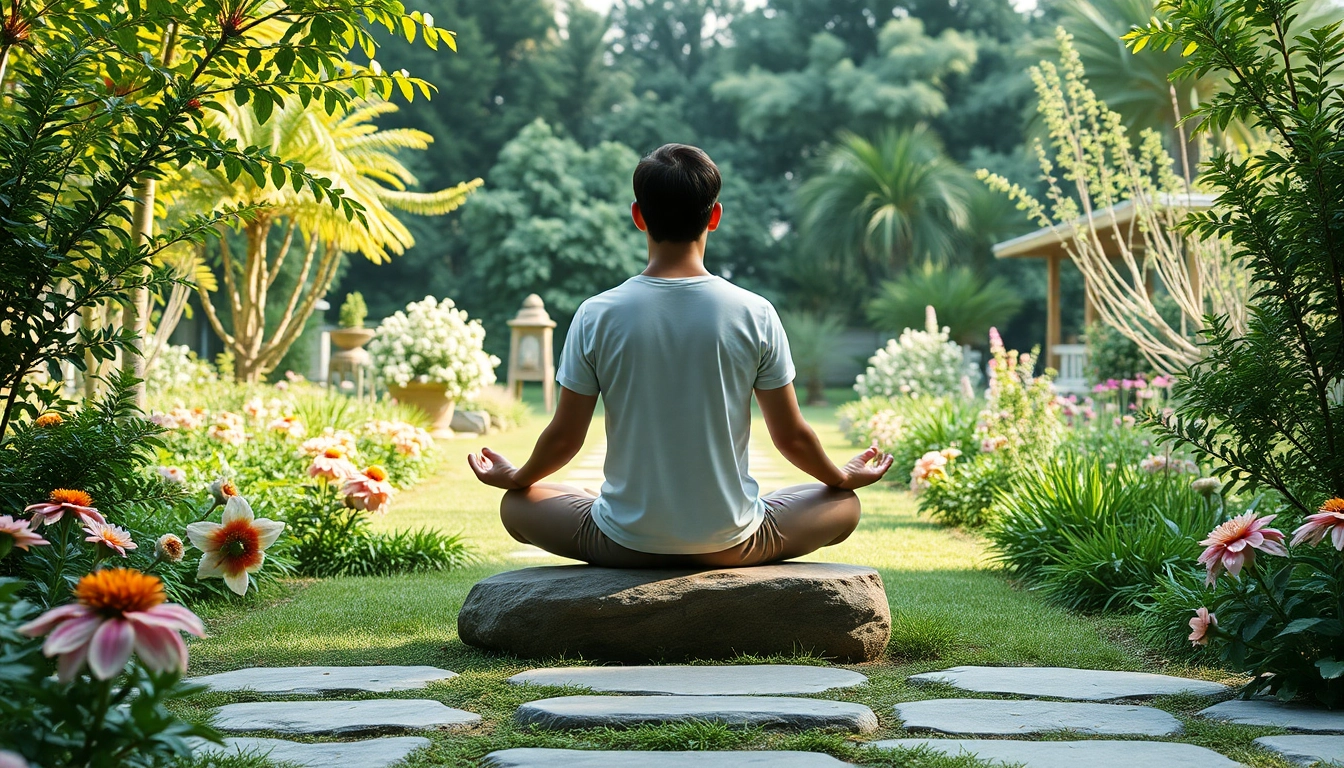
Incorporating meditation into a daily routine can provide considerable relief from stress and anxiety. Here are some effective techniques:
- Guided meditation: Use apps or online resources for guided sessions that walk through visualization exercises.
- Breath awareness: Focus on breath patterns to slow down heart rate and promote tranquility.
- Body scan meditation: Progressively focus on different body parts, acknowledging tension and consciously relaxing them.
- Loving-kindness meditation: Generate feelings of compassion and kindness toward yourself and others.
Incorporating Mindfulness into Daily Routines
It is essential to weave mindfulness into everyday life, complementing formal practices. Here are suggestions for integration:
- Mindful eating: Pay attention to flavors, textures, and the experience of eating.
- Walking meditation: Practice mindfulness while walking by paying attention to each step.
- Daily reflections: Set aside time for self-reflection at the end or beginning of the day to gauge emotional states.
- Limit digital distractions: Engage in regular digital detoxes to promote presence in personal interactions.
Lifestyle Changes to Alleviate Stress and Anxiety
Importance of Exercise and Nutrition
Physical health components such as exercise and nutrition directly influence one’s mental state. Regular exercise releases endorphins, the body’s natural stress relievers, while proper nutrition fuels the brain and regulates mood. A diet rich in whole foods, including fruits, vegetables, whole grains, and healthy fats, can improve overall well-being and resilience against stress.
Prioritizing Sleep and Rest
Quality sleep is critical for emotional regulation and managing stress and anxiety. Poor sleep habits can exacerbate mood disorders. Establishing a bedtime routine that promotes relaxation—like avoiding screens, maintaining a regular sleep schedule, and creating a restful environment—can enhance sleep quality. Aiming for 7 to 9 hours of sleep each night supports both physical and mental health.
Building a Support System
Engaging with a supportive community is paramount in managing stress and anxiety. Building a reliable support system involves:
- Connecting with friends and family: Share feelings, experiences, and coping strategies with trusted individuals.
- Joining support groups: Seek out communities focused on mental health.
- Participating in social activities: Engaging in group activities can foster connections and provide emotional support.
Seeking Professional Help
When to Consider Therapy for Stress and Anxiety
It is essential to recognize when to seek professional help. If stress and anxiety start interfering with daily functioning, cause severe distress, or persist despite self-care measures, therapy may be necessary. Seeking therapy does not indicate weakness; instead, it demonstrates a commitment to one’s well-being.
Types of Professional Treatments Available
Several therapeutic approaches can effectively address stress and anxiety:
- Cognitive Behavioral Therapy (CBT): Focuses on identifying negative thought patterns and developing healthier behaviors.
- Acceptance and Commitment Therapy (ACT): Encourages acceptance of thoughts and feelings, fostering psychological flexibility.
- Mindfulness-Based Stress Reduction (MBSR): Integrates mindfulness practices to cultivate mindful awareness of stressors.
Benefits of Group Therapy for Stress and Anxiety
Group therapy provides a unique environment to share experiences and learn from others facing similar challenges. Benefits include:
- Feeling less isolated: Knowing one isn’t alone in experiencing stress and anxiety can be incredibly comforting.
- Learning coping strategies: Witnessing how others manage stress can provide valuable insights.
- Social skills development: Engaging in group dynamics can enhance communication and relational skills.
Frequently Asked Questions
What are common signs of stress and anxiety?
Common signs include increased heart rate, muscle tension, irritability, fatigue, changes in appetite, and difficulty concentrating.
How can breathing techniques help manage stress and anxiety?
Breathing techniques promote relaxation, reduce heart rate, and help regulate emotions, making them effective for stress and anxiety management.
Is it normal to feel anxious sometimes?
Yes, experiencing anxiety in response to stressors is normal; it’s important to distinguish between situational anxiety and chronic anxiety disorders.
How long does a typical therapy session last?
A typical therapy session generally lasts 45-60 minutes, depending on the therapist’s approach and the client’s needs.
Can lifestyle changes really impact stress and anxiety levels?
Absolutely! Healthy lifestyle changes like regular exercise, better nutrition, and strong social support can significantly reduce stress and anxiety levels.