
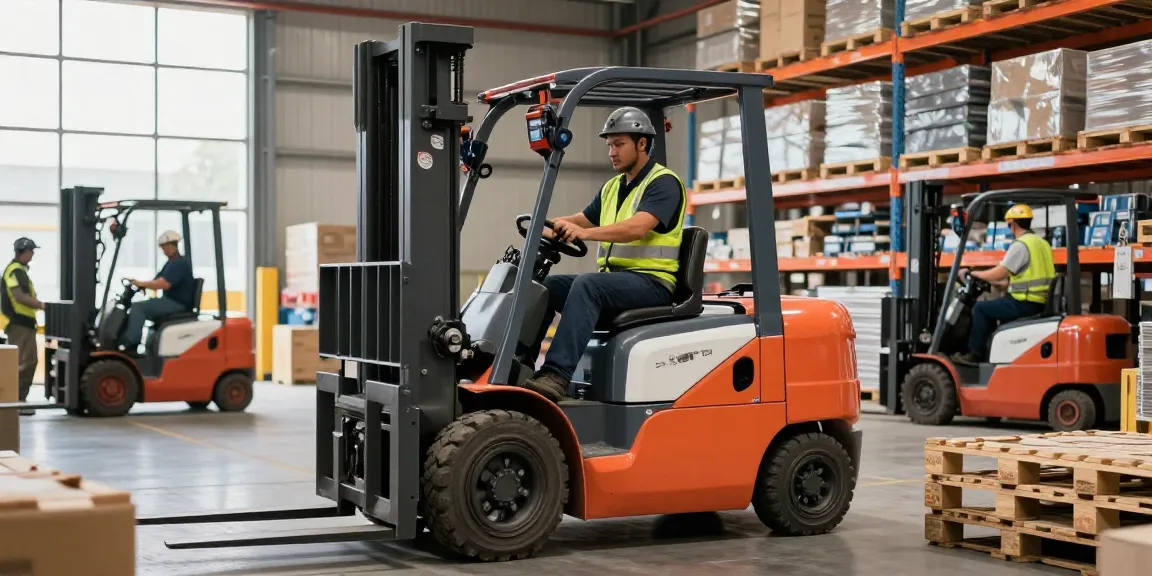
Understanding Electric Loaders: Features and Benefits
Electric loaders have emerged as a vital component of modern material handling solutions, particularly in environments focused on sustainability and efficiency. Designed to offer versatility and superior performance, these machines are shaping the future of construction, agriculture, and warehousing. When exploring options, electric loader for sale can provide comprehensive insights into the best machines available today.
What is an Electric Loader?
An electric loader is a battery-powered machine designed for lifting, transporting, and maneuvering heavy loads in various industrial settings. Unlike their internal combustion counterparts, electric loaders operate quietly and emit no harmful emissions, making them well-suited for indoor and outdoor applications alike. With advancements in battery technology, these loaders offer improved operational efficiency and reduced environmental impact.
Key Features of Electric Loaders
- Zero Emissions: Electric loaders produce no greenhouse gases, promoting a healthier work environment.
- Enhanced Maneuverability: Many electric loaders are designed with compact dimensions, allowing them to navigate tight spaces easily.
- Cost-Effective Operation: With lower energy costs compared to fuel-powered loaders, electric variants can lead to significant savings over time.
- Low Noise Levels: The quiet operation of electric loaders makes them ideal for urban areas and sensitive environments.
- Advanced Safety Features: Many models come equipped with safety systems such as overload protection and stability controls.
Benefits of Using Electric Loaders in 2026
As industries lean towards more sustainable practices, the benefits of electric loaders are becoming increasingly clear. They not only help in reducing operational costs but also align with social responsibility initiatives aimed at minimizing the carbon footprint. Additionally, the advancements in battery life and charging technologies mean that electric loaders can run longer and be ready for work in less time, enhancing productivity levels in demanding environments.
Choosing the Right Electric Loader for Your Needs
When selecting an electric loader, it’s crucial to consider the specific requirements of your operations. Assessing the types of loads you’ll handle, the operating environment, and your budget will ensure you make a well-informed decision.
Factors to Consider When Buying an Electric Loader
- Load Capacity: Ensure the loader can handle the maximum weight you’ll be lifting.
- Lift Height: Consider the heights required for your operations to choose a loader with the appropriate lift capabilities.
- Battery Life: Look for models with long-lasting batteries to minimize downtime during operations.
- Maneuverability: A compact and agile loader can navigate narrow aisles and tight spaces more effectively.
- Maintenance Requirements: Evaluate the machine’s design for ease of maintenance to keep it operational with minimal effort and cost.
Comparing Electric Loader Models
Investing time in comparing different electric loader models can save you money in the long run. Consider factors such as warranty, availability of spare parts, and the reputation of the manufacturer. Reading customer reviews and ratings can also provide insights into the reliability and performance of the loaders. It’s essential to look beyond just the price tag — often, the cheapest option can end up costing more in repairs and maintenance.
Common Mistakes to Avoid When Purchasing
- Not Analyzing Specific Needs: Failure to consider your unique operational demands can lead to buying a machine that doesn’t meet your needs.
- Overlooking Total Cost of Ownership: Apart from the purchase price, consider operational costs like energy consumption, maintenance, and potential downtime.
- Neglecting After-Sales Support: A good warranty and reliable customer service are vital for ongoing operational success.
Performance Metrics: Measuring Efficiency and Effectiveness
Understanding performance metrics is critical for evaluating the efficiency and effectiveness of electric loaders. This section explores key performance indicators (KPIs) that can guide purchasing decisions and operational strategies.
Key Performance Indicators for Electric Loaders
- Operational Hours: Measure how many hours the loader can operate on a single battery charge.
- Load Handling Efficiency: Assess the loader’s ability to lift and transport loads within the specified range and capabilities.
- Battery Charging Time: Understand how quickly the loader can recharge, as this impacts overall productivity.
- Maintenance Downtime: Track the frequency and duration of maintenance to understand reliability.
How to Evaluate Loader Performance
To effectively evaluate loader performance, it’s beneficial to conduct regular assessments based on the KPIs mentioned above. Implementing a systematic approach, such as keeping detailed logs of each loader’s operational hours and maintenance activities, can uncover patterns that inform operational improvements and training needs. Regular feedback from operators can also highlight any performance issues.
Real-World Examples of Performance Metrics
For instance, a warehouse utilizing electric loaders reported a 20% increase in efficiency after tracking battery life and optimizing charging schedules. By ensuring loaders were charged during off-peak hours, they maximized uptime during peak operations. Similarly, another company noted a significant reduction in maintenance costs after switching to a model with enhanced durability and extended warranties.
Future Trends in Electric Loaders and Material Handling
As the industry evolves, so do the technologies surrounding electric loaders. Understanding these trends can help businesses remain competitive and efficient in their operations.
Innovations Shaping Electric Loader Technology
- Advanced Battery Technologies: New lithium-ion battery designs are leading to lighter batteries that last longer and charge faster.
- Smart Technology Integration: The future of electric loaders includes smart technology features that provide real-time data on performance and operational metrics.
- Enhanced Safety Features: Innovations like automatic load monitoring and stability control systems enhance operator safety.
Impact of Automation on Electric Loaders
Automation is set to revolutionize electric loaders, with trends pointing toward an increase in autonomous operation capabilities. Machines equipped with sensors and AI can operate with minimal human intervention, optimizing workflow and reducing the likelihood of errors. This technological leap not only boosts productivity but also allows human operators to focus on more complex tasks that require critical thinking and problem-solving skills.
Industry Predictions for 2026 and Beyond
Looking ahead, experts predict that the demand for electric loaders will continue to grow as industries strive for greener solutions. The integration of renewable energy sources into charging systems and the development of ultra-efficient models are just a few examples of how technology will shape the electric loader landscape in the coming years.
FAQs about Electric Loaders
What types of electric loaders are available for sale?
Electric loaders come in various models designed for different applications, including telescopic loaders, counterbalance stackers, and pallet jacks. Each type has unique features tailored to specific lifting and transportation needs.
How do electric loaders compare to traditional forklifts?
While traditional forklifts are typically powered by gasoline or diesel, electric loaders operate on battery power, offering benefits like reduced emissions, lower noise levels, and often lower operating costs. Electric loaders are increasingly favored for indoor use and in operations requiring frequent short trips.
What maintenance is required for electric loaders?
Maintenance for electric loaders primarily involves regular battery checks, tire inspections, and routine cleaning. Unlike internal combustion engines, electric loaders have fewer moving parts, which can lead to reduced long-term maintenance costs.
Can electric loaders handle heavy loads effectively?
Many electric loaders are designed to handle heavy loads, with capacities that often match traditional forklifts. Load capacity varies by model, so it’s crucial to choose one that meets the specific needs of your operation.
What are the warranty options for electric loaders?
Warranty options for electric loaders typically vary by manufacturer but often include coverage for the loader itself, the battery, and any major components. It’s important to review the warranty details before making a purchase to understand what is covered and for how long.