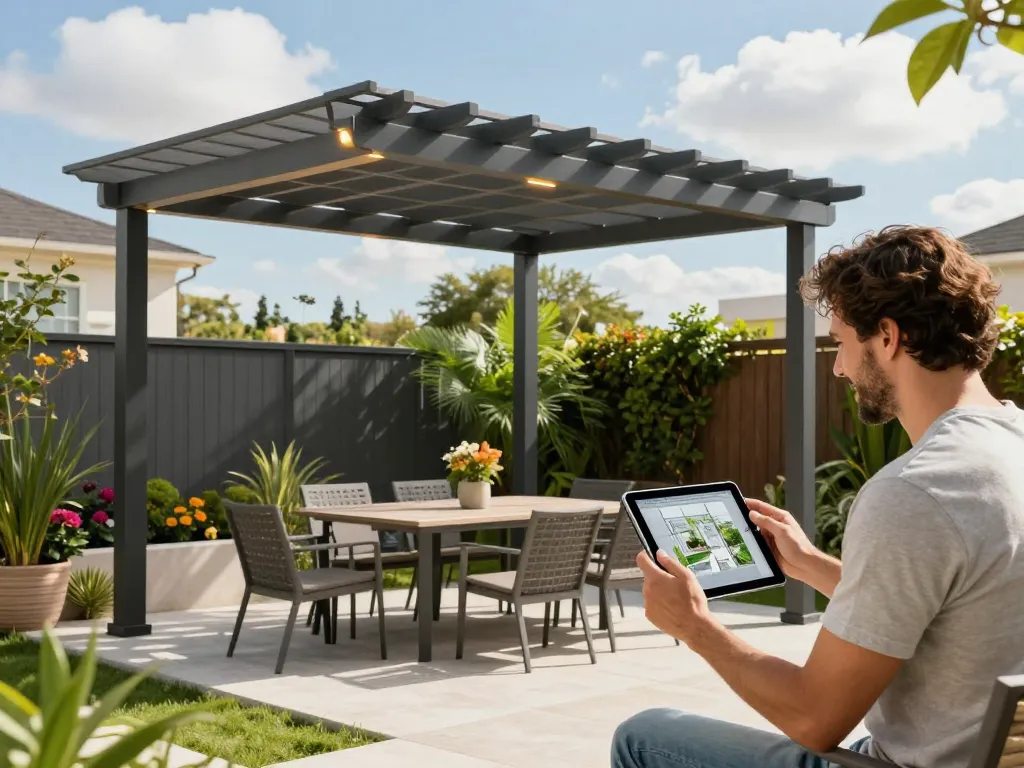

Understanding Different Types of Fences
Fences are an essential part of property infrastructure, serving various functions from enhancing curb appeal to ensuring privacy and security. Whether you’re looking to define your yard, create a barrier, or keep pets in, understanding the different types of fences available is vital. Each material offers unique benefits and characteristics, making it imperative to choose wisely depending on your needs and circumstances. When exploring options, We fix fences and build fences can provide comprehensive insights into the best solutions for your property.
Common Materials Used in Fence Construction
The type of material you choose for your fence can affect its durability, maintenance requirements, and overall look. Common materials used in fence construction include:
- Wood: Offers a classic aesthetic and is highly customizable, but requires regular maintenance to prevent rot and damage.
- Vinyl: Low maintenance and available in various styles, vinyl is resistant to weather and pests but can be more expensive upfront.
- Chain Link: Economical and durable, chain link fences are great for security but offer little privacy.
- Aluminum: Lightweight and rust-resistant, aluminum fences provide a sleek look but may not be as robust as other materials.
- Composite: Made from recycled materials, composite fences are eco-friendly and mimic the look of wood without the maintenance issues.
Choosing the Right Fence for Your Property
Selecting the right fence involves considering your specific needs. Are you looking for enhanced privacy, aesthetic appeal, or security? Each factor will influence your decision:
- For privacy: Opt for tall wooden or vinyl fences.
- For security: Choose chain link or aluminum with spikes.
- For aesthetic appeal: Consider decorative metal or wood fences that complement your home’s architecture.
Identifying Common Fence Problems
Even well-constructed fences can encounter problems over time due to environmental factors and wear and tear. Identifying these issues early can save you from more extensive repairs down the line.
Signs Your Fence Needs Repair
Look for signs that indicate your fence may require repairs, such as:
- Visible sagging or leaning sections.
- Rotting or damaged wood posts and panels.
- Loose or broken hardware.
- Rust on metal fences or loose chain link.
Understanding Weather-Related Damage
Weather can wreak havoc on your fence, causing various forms of damage:
- Moisture Damage: Excess moisture can lead to the rot of wooden fences.
- Sun Damage: Prolonged exposure to sunlight can cause fading or brittleness in vinyl materials.
- Wind Damage: Strong winds can uproot posts or bend panels, especially if they are not installed securely.
Common Misconceptions About Fence Maintenance
Many homeowners hold misconceptions about fence maintenance. Some common myths include:
- Myth: All fences require the same maintenance.
Reality: Different materials have unique maintenance needs. - Myth: Wooden fences need to be stained every year.
Reality: Depending on the treatment, wooden fences can last several years without needing a refresh.
Step-by-Step Guide to Fence Repair
Understanding how to repair your fence can save you time and money. Here’s a detailed guide to help you through the process.
Assessing Damage and Planning Repairs
Start by closely inspecting your fence to assess the extent of the damage. Take notes on which sections need repairs, and create a plan based on your findings. Consider whether the damage is superficial or requires professional intervention.
Tools and Materials Needed for Repairs
Gather necessary tools before beginning the repair process. Common tools include:
- Saw (for cutting damaged sections)
- Screwdriver or drill (for securing panels)
- Replacement boards or panels (based on your fence type)
- Wood sealant or paint (for weatherproofing)
DIY vs. Hiring Professionals: What to Consider
While many may opt for DIY repairs, hiring professionals can save time and ensure a quality job. Consider these factors:
- Your level of experience with repairs.
- Availability of time and tools.
- Extent of repairs needed.
Best Practices for Fence Installation
Installing a fence can be a daunting task, but following best practices can simplify the process and yield a better end product.
Building a Fence: From Design to Completion
Begin with a solid design plan. Decide on the style, material, and layout of your fence. Ensure that you measure your property lines accurately and outline the important spots, such as gates or entry points.
Permits and Regulations to Keep in Mind
Before beginning installation, check your local regulations regarding fence height and placement. Some areas may require permits or adherence to specific guidelines.
Safeguarding Your Property During Installation
Protect your landscape and property during installation by marking underground utilities and minimizing disturbance to existing structures or plants. Setting up temporary barriers can help protect both your property and the site from unexpected damage.
Future Trends in Fencing: What to Expect by 2026
As we move closer to 2026, fencing trends are evolving with technology and environmental considerations shaping the future of fence construction and design.
Innovative Materials and Construction Techniques
Expect to see advancements in materials that offer improved durability and lower maintenance, such as fiber-reinforced composites and other innovative technologies. These materials will likely provide similar aesthetics to traditional wood while offering better longevity.
Eco-Friendly Fencing Options Emerging in the Market
Sustainability will become increasingly important in fencing materials. Recycled materials and sustainably sourced woods will gain popularity as more homeowners prioritize eco-friendly options.
Smart Fencing: Technology Integration for Security
Smart technology will play a role in fencing solutions by integrating features such as electronic gates and security systems that enhance property safety and accessibility.
What types of fences are best for privacy?
For those looking for privacy, tall wooden or vinyl fences are often recommended. They provide a solid barrier from the outside world and create a sense of seclusion.
How often should I maintain my fence?
Maintenance frequency depends on the type of material. Wooden fences may require annual staining, while vinyl fences typically only need a thorough cleaning every few years.
Can I fix my fence myself, or should I hire a pro?
This depends on your comfort level with DIY tasks. Minor repairs can often be handled by homeowners, but major structural issues may necessitate professional help.
What are the costs associated with fence installation?
Costs can vary widely based on material and design. On average, homeowners might expect to pay $1,500 to $4,000 for a new fence, including materials and installation.
How do I choose the right fence style for my home?
Consider your home’s architecture, the purpose of the fence, and local aesthetic preferences when choosing a fence style. Additionally, consult with professionals to ensure your choice complements your property.