
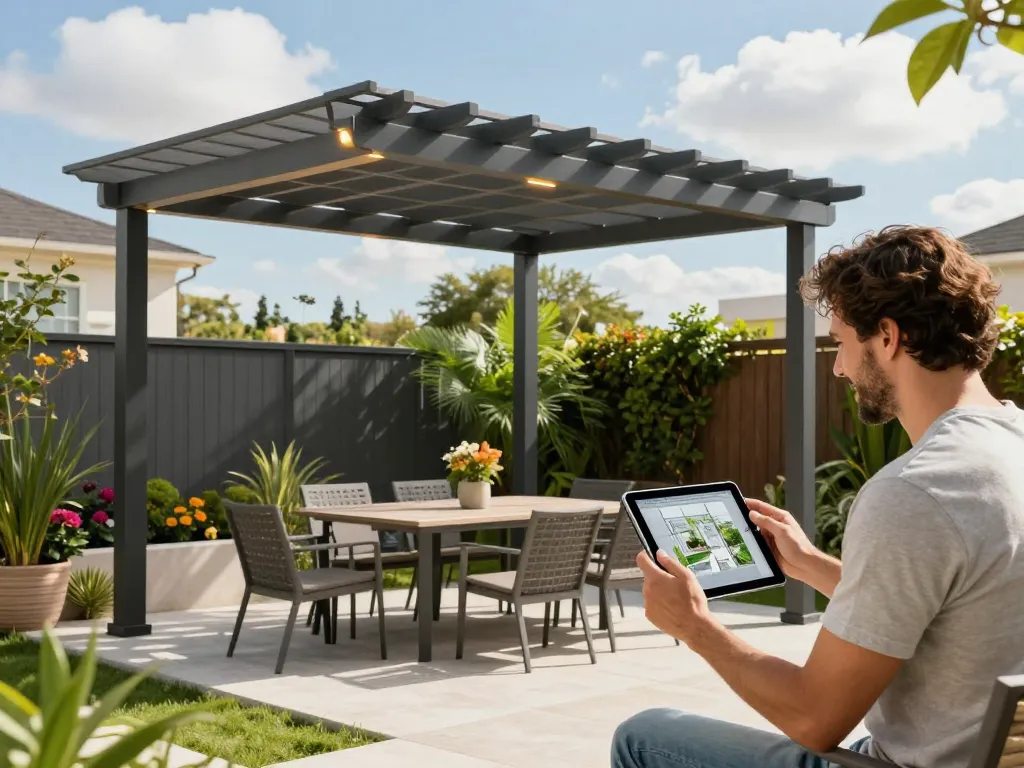
Introduction to 3D Pergola Configurators
In the realm of outdoor design, the demand for customizable and aesthetically pleasing spaces has led to the emergence of advanced tools known as 3D configurators. These digital solutions enable users to visualize and tailor their outdoor structures—specifically pergolas—to their unique preferences. The configuratore 3D pergola has become an invaluable asset, offering a high degree of personalization and flexibility, essential for both homeowners and professionals in the landscaping industry. Embracing innovative technology, these configurators provide an interactive platform that transforms the design process into an engaging experience.
What is a configuratore 3D pergola?
A configuratore 3D pergola is an online or software-based tool that allows users to design and visualize custom pergolas in three dimensions. Such platforms are equipped with user-friendly interfaces, enabling individuals to select various design features, including size, shape, color, and materials, leading to a highly personalized outdoor structure. The configurator often includes options for additional elements such as lighting and heating, making it easier to create a functional and beautiful outdoor space.
Benefits of using a 3D configurator for pergolas
The advantages of utilizing a 3D configurator extend beyond mere aesthetics. One of the primary benefits is the ability to visualize the final product before construction begins, which reduces the likelihood of costly mistakes. Additionally, users can experiment with different configurations and styles, leading to more informed decisions. This interactive approach not only enhances customer satisfaction but also streamlines the purchasing process for businesses, as it empowers customers to engage directly with their design ideas.
Overview of the latest technologies in 3D design
The latest 3D design technologies are continuously evolving, offering improved capabilities such as realistic rendering and augmented reality (AR) integration. AR technology allows users to place a digital representation of their designed pergola within their actual environment through their devices, which gives a true sense of scale and context. Furthermore, advancements in computer graphics deliver high-resolution visuals, ensuring that users can appreciate textures, colors, and materials accurately, making the design experience even more immersive.
Features of Advanced 3D Pergola Configurators
Customization options: colors, materials, and sizes
Modern 3D pergola configurators provide extensive customization options that cater to diverse tastes and needs. Users can choose from a variety of colors, materials (such as wood, aluminum, and composite), and sizes, allowing for the creation of a pergola that not only complements the existing architecture but also meets functional requirements. This flexibility is particularly important for customers who may have unique outdoor settings or specific design aspirations.
Interactive design tools and user experience
Intuitive design tools are at the heart of effective 3D configurators. These tools allow users to drag and drop elements, rotate designs, and adjust dimensions seamlessly. Enhanced user interfaces further facilitate this process, making it accessible even for those with minimal technical knowledge. Ultimately, a positive user experience can significantly influence the decision-making process, encouraging customers to finalize their designs confidently.
Integration with AR and VR technologies
As technology advances, the integration of augmented reality (AR) and virtual reality (VR) capabilities into configurators opens new avenues for design. For instance, AR can help potential buyers visualize their pergola in their own backyard, while VR can offer a fully immersive experience, allowing users to virtually walk around the structure. Such innovations are not only impressive but also practical, helping customers make decisions that they will be satisfied with in the long term.
How to Choose the Right 3D Pergola Configurator
Evaluating ease of use and functionality
When selecting a 3D pergola configurator, ease of use should be a top priority. A user-friendly interface simplifies the design process, making it accessible for everyone, regardless of their technical abilities. Additionally, the functionality offered by the configurator—such as the ability to share designs, print layouts, or receive accurate quotes—can significantly enhance the user’s experience. This functionality is essential for those looking to combine creativity with practicality.
Comparing popular configurators on the market
An in-depth comparison of popular configurators can reveal their strengths and weaknesses. Key areas to focus on include the range of customization options available, the quality of customer support, and the overall user feedback. By reviewing multiple platforms, users can identify which configurator aligns best with their design needs and preferences.
Customer support and resources available
Robust customer support is crucial when engaging with a 3D configurator. This support may include tutorials, FAQs, and direct customer service channels to assist users in overcoming any challenges they encounter. Access to comprehensive resources ensures that users can maximize the capabilities of the configurator, leading to a successful design experience.
Best Practices for Designing Your 3D Pergola
Incorporating landscaping and outdoor elements
To achieve an aesthetically pleasing and functional pergola design, it is essential to consider the surrounding landscaping and outdoor elements. Integrating the pergola with existing trees, plants, and pathways can create a cohesive look that enhances the overall appeal of the outdoor space. Users should experiment with the placement and orientation of the structure to optimize both visual and functional benefits.
Understanding local building codes and regulations
Before finalizing a pergola design, it is critical to understand local building codes and regulations. Some communities have specific requirements regarding the height, materials, and placement of outdoor structures. Familiarity with these guidelines can prevent potential issues during the construction phase and ensure compliance with ordinances, ultimately saving time and resources.
Measuring space accurately for design success
Accurate measurements are fundamental to a successful pergola design. Users should carefully measure the intended installation area, accounting for any obstructions or varying terrain. This diligence helps in creating a design that fits well within the available space, making it both functional and visually appealing.
Future Trends in 3D Pergola Design and Technology
Innovations expected by 2026 and beyond
The future of 3D pergola design is set to be shaped by emerging technologies and innovative materials. By 2026, we can expect further advancements in 3D modeling, including real-time collaboration features that allow multiple users to work on a design simultaneously. This capability will enhance teamwork and creativity, especially in commercial settings where multiple stakeholders are involved.
Emerging materials and sustainability considerations
As sustainability continues to gain importance, new materials such as recycled composites and sustainably sourced woods will likely become more prevalent in pergola construction. Additionally, future designs may incorporate eco-friendly features such as solar panels and rainwater collection systems, blending functionality with environmental responsibility.
Personalization and smart home integration
Personalization will remain a key trend in pergola design, with systems increasingly incorporating smart technology. For instance, users may be able to control lighting, heating, and shading through smartphone applications, ensuring that their outdoor environment is comfortable and adaptable. This integration represents a significant leap towards creating truly personalized outdoor spaces.
What is the average cost of a 3D pergola?
The cost of a 3D pergola can vary significantly based on size, materials, and additional features. Generally, prices can range from a few thousand dollars for basic models to over $10,000 for elaborate designs with smart technology and premium materials. Understanding the pricing landscape is helpful for budgeting and setting realistic expectations during the design process.
Can I use a configurator for other outdoor structures?
While the primary focus of many configurators is on pergolas, numerous platforms also offer tools for designing other outdoor structures such as gazebos, carports, and outdoor kitchens. This versatility allows users to explore multiple options for enhancing their outdoor spaces with a single design tool.
What materials are best for a pergola?
The choice of materials for a pergola typically depends on the desired aesthetic, budget, and maintenance considerations. Common options include wood, aluminum, and vinyl, each offering distinct benefits and drawbacks. Wood provides a classic look but may require more maintenance, while aluminum is durable and low-maintenance, making it a preferred choice for modern designs.
How do I maintain my pergola once installed?
Regular maintenance is essential to prolong the life of a pergola and retain its visual appeal. This includes periodic cleaning, inspections for any signs of wear or damage, and treatments for wooden structures to prevent rot or insect infestation. Maintenance frequency will largely depend on material choice and local environmental conditions.
Are there free 3D pergola configurators available?
Many online platforms offer free 3D pergola configurators, providing a no-cost option for users looking to design their outdoor structure. While these free tools may have limited features compared to premium options, they still serve as a valuable resource for initial planning and visualization. When exploring options, configuratore 3D pergola provides comprehensive insights into the design process.